UNICEF HQ EQUIST 2.0 P0760
Project Description
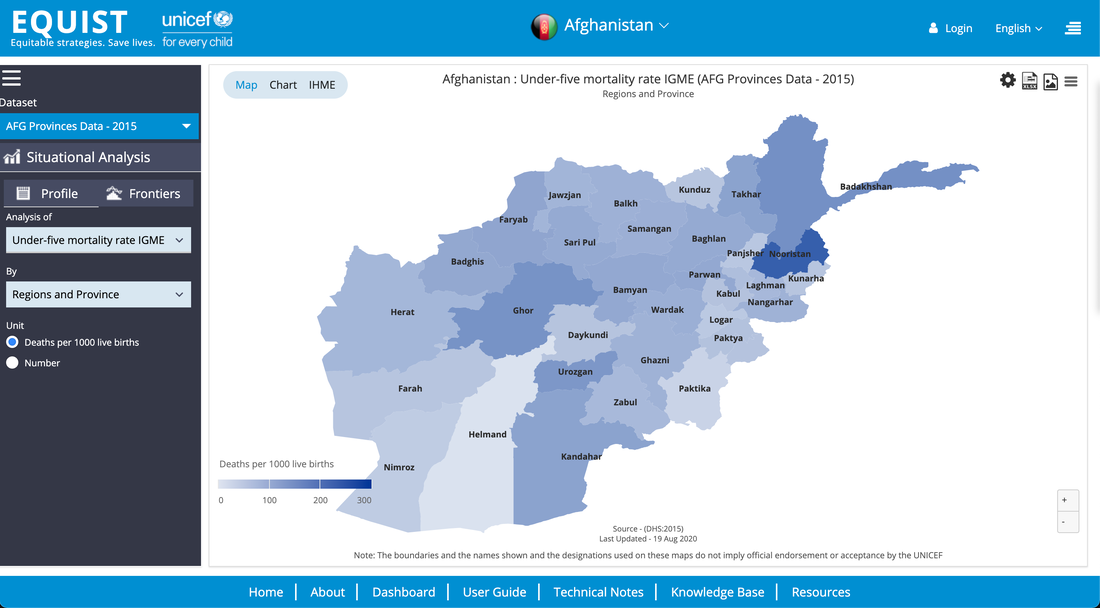
UNICEF HQ EQUIST 2.0 is medium-term analysis and strategic planning tool to improve child and maternal health as well as nutrition equity in developing and middle- income countries.EQUIST serves as the main platform for disseminating health equity data and can become the catalyst for strategic planning. Once key stakeholders conduct a national equity analysis, EQUIST can be customized and then used at the national and sub-national levels to easily disseminate data in an understandable format. National experts, MOH officials, international development partners, private sector stakeholders, NGOs, and academic institutions are the key stakeholders for this analysis to take place. The result of their work is a clear vision of equity patterns nation-wide, and provides a preliminary understanding and visualization of the causes of these patterns. This information is then used by public health stakeholders to understand what needs to be done and where.This national analysis and EQUIST update can then take place regularly as new data becomes available, delivering data-driven, actionable insights to support more equitable and cost-effective health systems – saving more lives among the most deprived.EQUIST generates life-saving strategies using a simple 7-step approach:1. Identify priority populations based on patterns of deprivation by geographic location, residence, wealth status, and ethnicity2. Determine which diseases explain inequitable death and malnutrition rates among children and women3. Determine the right balance of interventions by service delivery packages, includingCommunity Practices - WASH, infant and child feedingPreventive services - family planning, antenatal careClinical care - skilled birth attendance, immunizations4. Identify challenges or bottle necks that disrupt service delivery5. Pinpoint root causes of bottlenecks within a populationThis provides a decision-maker the context of system disruptions and the reasons for them6. Empirically evaluate and select from a host of effective strategies to mitigate the causes of key bottlenecks7. Compare the impact and cost effectiveness of intervention scenarios in deprived populationsThis can quantify the projected number of lives saved and the associated cost if the strategy is implemented
Facts
Project Code
Country
Year
Donor
Budget